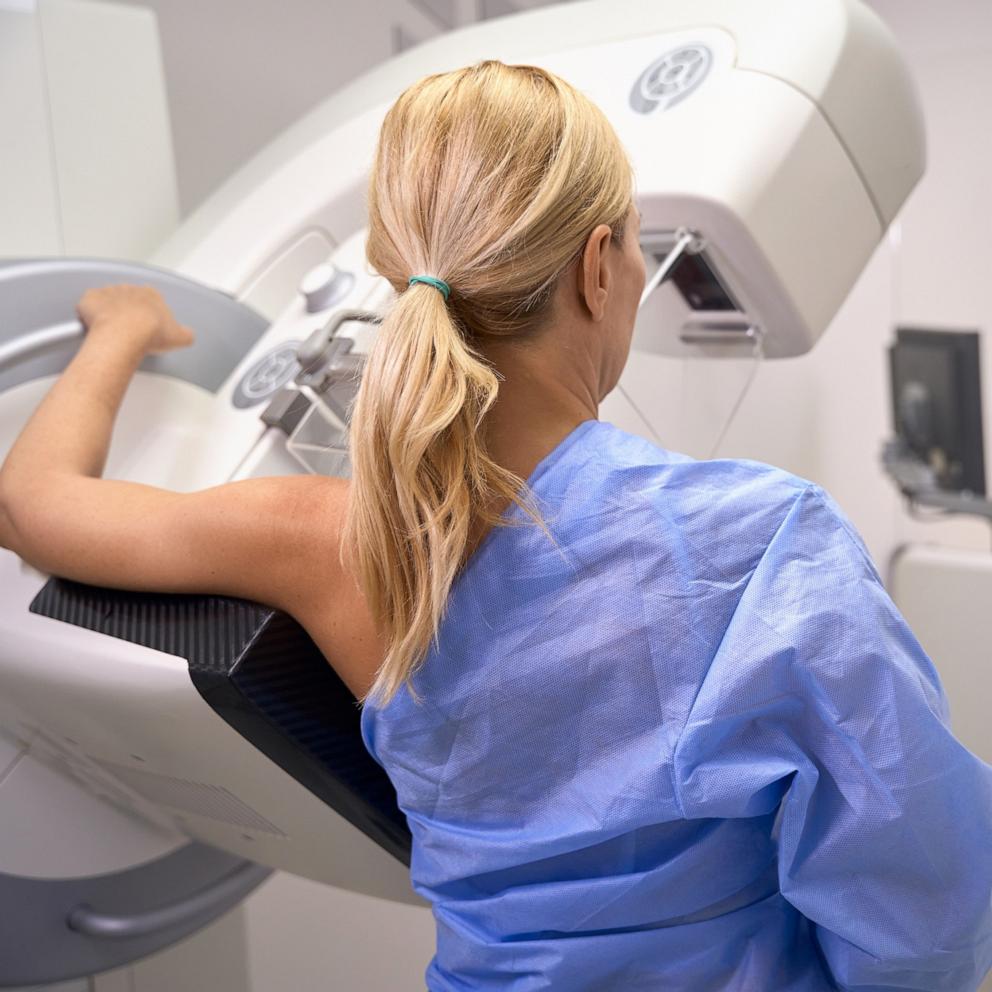
New FDA-cleared AI tool could help predict if breast cancer will return
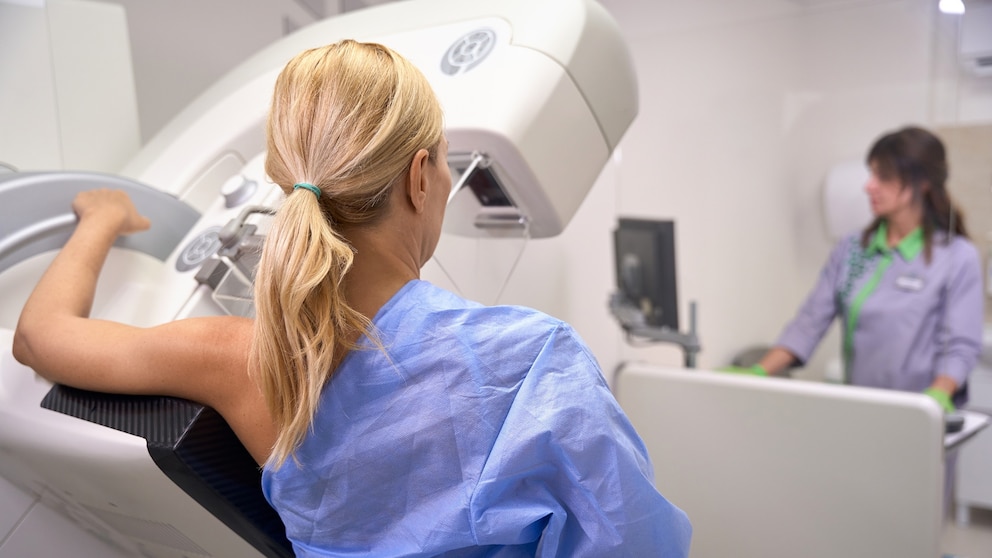
For many women diagnosed with breast cancer, one of the biggest concerns is whether the cancer will return after treatment.
A newly FDA-cleared artificial intelligence tool may help doctors answer that question earlier.
TumorSight Risk -- developed by SimBioSys and is powered by NVIDIA technology -- estimates the chance of a patient's breast cancer coming back, and unlike many current tests, it can give this information before undergoing surgery.
“For so many of us, breast cancer is personal. It touches people we love. After years of AI innovation, SimBioSys uses NVIDIA technology to power its FDA-cleared TumorSight Risk,” Kimberly Powell, vice president of healthcare at NVIDIA, told ABC News in an exclusive first look at the technology.
TumorSight Risk uses NVIDIA's Graphics Processing Units, allowing a process where complicated MRI data and reams of medical history that humans may not be able to synthesize on their own are analyzed.
The company behind this new technology is working with Medicare, Medicaid, and private insurers to get the test covered.
What did researchers find?
A new study found that an AI tool may help doctors predict the risk of breast cancer returning in women with early-stage, hormone receptor-positive, HER2-negative breast cancer.
This type of breast cancer accounts for approximately 74% of all breast cancer diagnoses in the United States, according to the National Cancer Institute.
“After a breast cancer diagnosis, one of the biggest questions women ask is, ‘What is the likelihood that my cancer will come back?’ TumorSight Risk helps doctors answer that question, using information already captured in a patient’s breast MRI, together with routine pathology and clinical information,” Stacey Stevens, president and CEO of SimBioSys, told ABC News.
The technology uses AI to analyze an existing breast MRI to help estimate the risk of a woman’s cancer returning five or even ten years down the road.
Researchers analyzed data from 2,129 women and found that 95.5% of those classified as low-risk remained cancer-free after five years, compared with 89.6% of those classified as high-risk.
They analyzed previously collected patient information to determine whether the AI could identify women at greater risk of their cancer returning. Those classified as high risk had more than three times the risk of their cancer returning compared to those with a low risk.
How does the tool work?
TumorSight Risk doesn’t require any additional scans. Instead, it uses the breast MRI a patient already had as part of their initial breast cancer diagnosis.
AI examines the tumor and surrounding tissues on the MRI, then combines those findings with the patient’s pathology results and clinical information to generate a personalized estimate of how likely the cancer is to return over the next five to ten years. The software generates a score from zero to 100, classifying a patient as low, intermediate, or high risk.
“That insight can be available before surgery, giving women and their doctors more information, sooner, as they discuss treatment options. Our goal is to help patients face those decisions with greater clarity and confidence,” Stevens said.
Researchers also found that each 10-point increase in the AI-generated score was associated with a 22% increase in relative recurrence risk.
“It combines insights about a tumor and surrounding tissue from breast MRI with clinical information to help assess the risk of cancer returning—helping women and their doctors make more informed decisions about care tailored to each patient’s individual needs,” Powell said.
Last year, SimBioSys developed TumorSight Viz, which turns breast MRI into a 3D model of the tumor to give surgeons a clearer visualization.
Could this change breast cancer treatment?
Doctors consider the TumorSight Risk assessment alongside other clinical information to land on treatment options, help patients get the best care available and avoid potentially significant side effects.
“TumorSight® Risk may help us build a more complete picture alongside established tests and clinical findings. The goal is to weigh the options with each patient, taking her risk, potential side effects and personal priorities into account,” Poornima Saha, MD, a breast medical oncologist at Endeavor Health, told ABC News.
For some women, treatment may involve surgery, radiation, chemotherapy or hormone-blocking medications to reduce the chance of cancer returning.
“Patients want to understand both the risk of their cancer returning and what treatment could mean for their everyday lives,” Saha said. “For hormone receptor-positive breast cancer, those conversations can extend well beyond initial treatment, including whether to continue hormone-targeting therapy beyond five years.”
Treatments like chemotherapy and hormone therapy can come with difficult side effects, so a clearer understanding of recurrence risk could help doctors identify which patients may benefit from treatment.
The technology is starting to be used in hospitals and cancer centers nationwide.
Patients who are curious about TumorSight Risk can ask their cancer care team whether it’s available at their treatment center and if it's right for them.