26-year-old now 'cancer-free' thanks to new colorectal cancer treatment
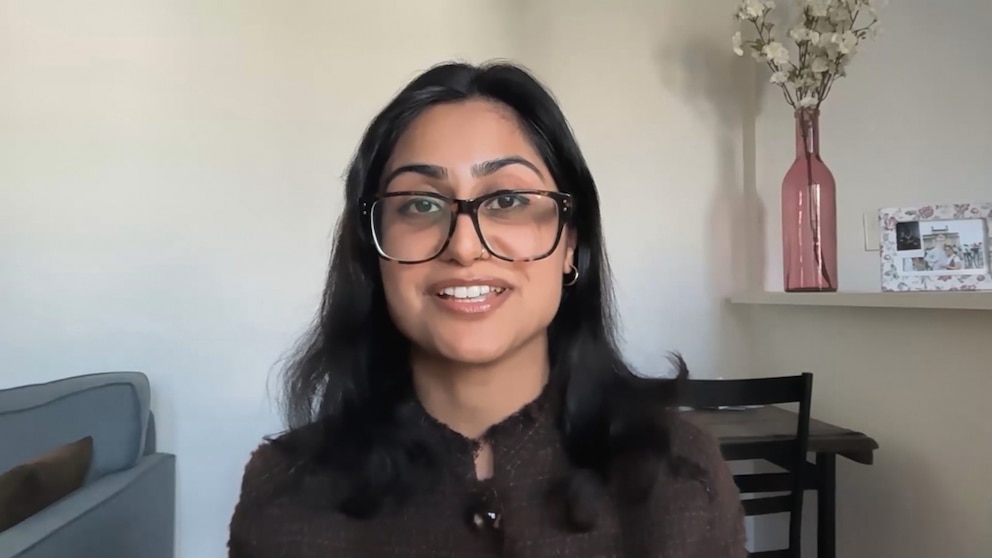
A 26-year-old is now "cancer-free" after receiving a new treatment for colorectal cancer.
"I was declared cancer free in July of 2025, and I've taken three trips since then," Mrinali Dhembla, 26, told "Good Morning America" in an interview that aired Monday.
Dhembla said she experienced significant pain and fatigue before she was diagnosed with Stage 3 rectal cancer that had spread to her spine.
"I just thought my life was gonna end after months of aggravating back pain and fatigue," she recalled.
When she received her diagnosis, Dhembla said she didn't believe her doctor at first. She was young and had only recently gotten engaged to her fiance.
"I still remember the doctor telling me that I had cancer, and my first instinct was to say that he was wrong," Dhembla recounted. "I said, 'That's not possible. I'm just 26 years old.'"
Cases of colorectal cancer have risen among younger people under 50 in recent years, with one American Cancer Society study, published in the Journal of Medical Screening, reporting a 2.3% increase of rectal cancer cases among people in their 40s since the 1990s and a 1.3% increase of colon cancer cases among the same demographic in the same period.
For Dhembla, genetic testing revealed her cancer was likely inherited through genetic factors and caused by a condition called Lynch syndrome.
According to the Centers for Disease Control and Prevention, Lynch syndrome is the most common cause of hereditary colorectal cancer. People with Lynch syndrome have mutations in the genes that normally fix DNA replication errors, preventing them from working properly, the CDC states.
According to the CDC, people with Lynch syndrome are more likely to get colorectal, uterine, and other cancers, and are more likely to get them before age 50.
Dr. Nicholas Hornstein, an oncologist with Northwell Cancer Institute and one of Dhembla's doctors, said cancer patients like Dhembla may benefit from immunotherapy treatment.
"Patients that have Lynch syndrome are excellent candidates for immunotherapy," Hornstein said. "Because they have so many mutations in their cancer cells, it allows their immune system to recognize them, and they just need a little bit of a boost with immunotherapy to become effective at eradicating their tumors."
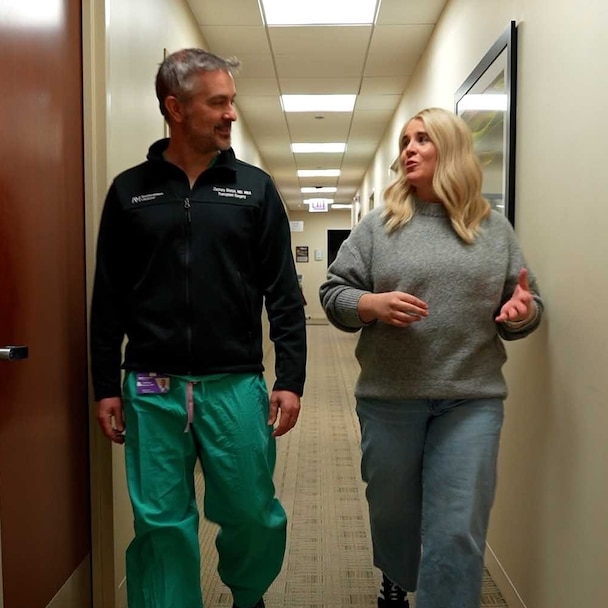


Dhembla's doctors selected her to be one of the first patients to receive a new dual immunotherapy treatment that worked by taking the brakes off her immune system in order to be able to fight cancer cells.
"The benefit we see from immunotherapy can last for decades. Patients who are able to eradicate their tumors, they tend to stay gone," Hornstein said.
Immunotherapy spared Dhembla from months of debilitating chemotherapy and radiation treatments, and Dhembla even ran a 5K during her treatment period.
After three infusions over the course of four months, Dhembla said she was declared "cancer-free" and could return to making big life goals, like planning her wedding.
Dhembla said she urges others to pay attention to their own bodies and see a doctor if anything feels amiss.
"I just wish I had seen a doctor when I was constantly sick every day," she said. "Just listen to your body. If you're having symptoms, if you're sensing something unusual, just please go to a doctor."