NOAA maintains prediction for below-normal Atlantic hurricane season
The National Oceanic and Atmospheric Administration (NOAA) has released an update to its Atlantic hurricane season forecast, saying its prediction for below-normal activity remains intact.
NOAA dropped the number of predicted named storms to seven to 13 (the previous prediction was eight to 14 storms). Two to six of those could become hurricanes, according to the agency, a drop of one from its forecast in late May. NOAA is now predicting zero to two major hurricanes, a drop from late May when the agency predicted one to three.
NOAA is now predicting a 75% chance of below-normal activity; that's up significantly from its previous forecast of a 55% chance.
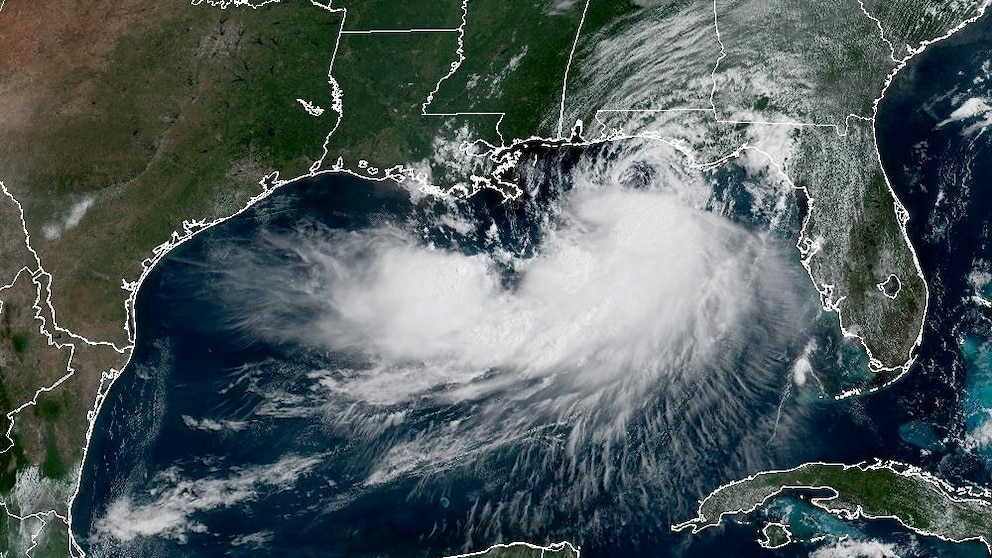
It doesn't take a major hurricane to do severe damage. So far this year, there have been two named storms, Arthur and Bertha, with Arthur bringing record rainfall and tornadoes to the Gulf Coast.
“That’s why it’s important to prepare for every storm that’s projected to impact your area, even if it never reaches hurricane strength,” said NOAA’s National Weather Service Director Ken Graham in a statement.
NOAA cites El Niño as the main reason for the suppressed storm activity.
"When El Niño emerges, it usually becomes the dominant factor in total hurricane season activity, and this El Nino continues to get stronger every month," said Matt Rosencrans, lead hurricane season forecaster with NOAA's National Weather Service.
NOAA said its late-May forecast for the Eastern Pacific remains the same. That region is expected to see above-average storm activity due to El Niño.
Atlantic hurricane season runs from June 1 through Nov. 30. The peak of hurricane season tends to be mid-August through September.