Louisiana health officials warn about rare amoeba infections after certain tap water use
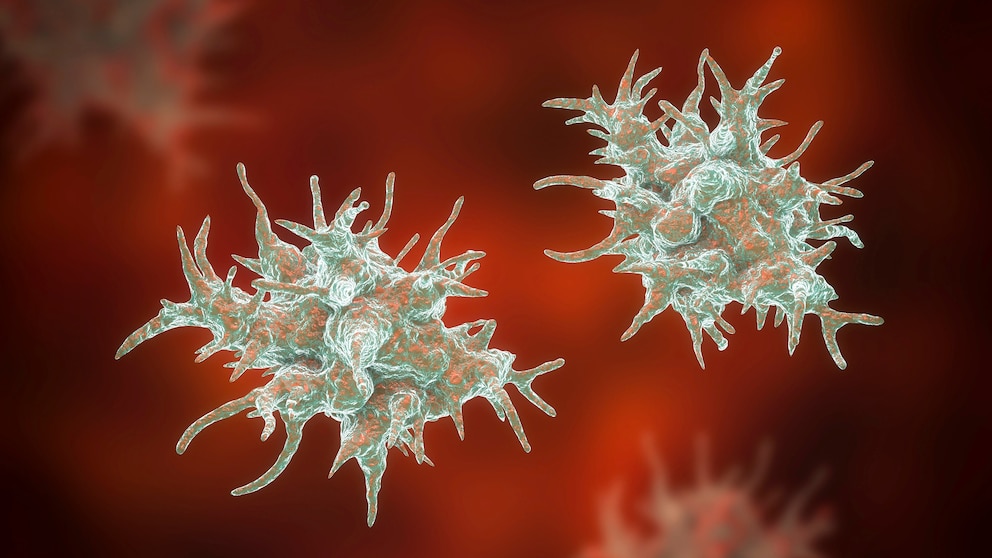
The Louisiana Department of Health (LDH) is warning residents about the risks of using tap water to rinse nasal passages and clean contact lenses after several rare amoeba infections.
Health officials said on Thursday that there have been 10 cases of Acanthamoeba infections in the state since 2024.
Of those cases, eight were cases of Acanthamoeba keratitis, which is an eye infection that can cause permanent vision loss. Seven occurred among people who wore contact lens, and five suffered permanent vision loss, according to the LDH.
Two infections occurred this year, one affecting the sinuses and the other affecting the brain, the latter of which was fatal. The LDH said both patients had weakened immune systems and had used tap water in nasal irrigation devices.
State officials have not released any information on the individual who died, including name, age, sex or place of residence,
"Although these infections are rare, they can have devastating consequences," Theresa Sokol, state epidemiologist, said in a press release. "Using the right water for nasal rinsing, following proper contact lens hygiene, and taking precautions with medical devices can help reduce the risk. These steps are especially important for people with weakened immune systems."
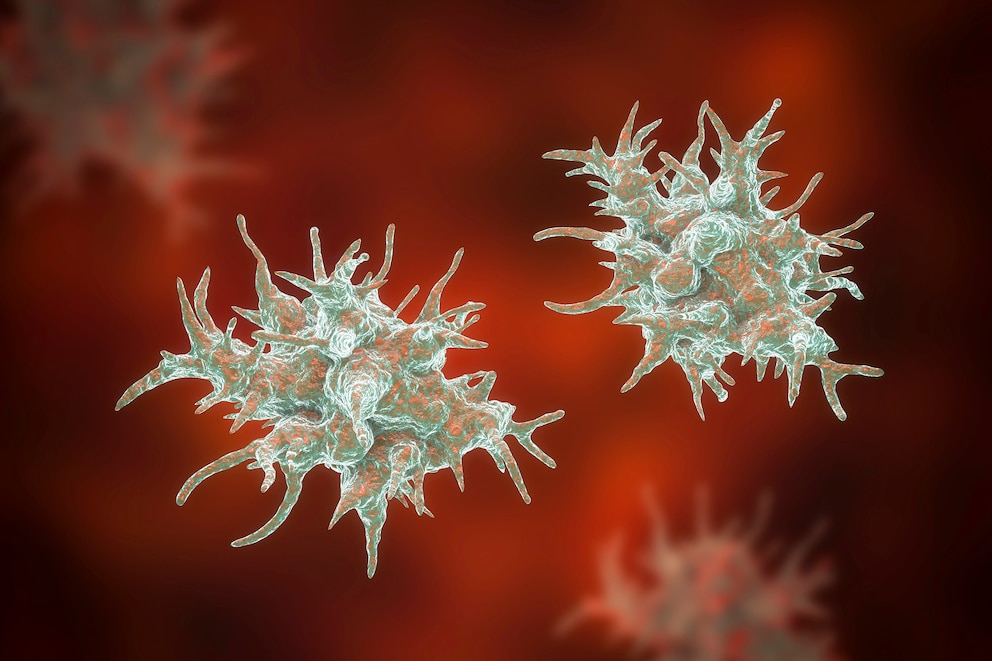
Acanthamoeba is a free-living amoeba, which is a type of one-celled organism that lives in water, soil and dust, according to the Centers for Disease Control and Prevention (CDC).
The agency said it can also be found in freshwater, still water, drinking water systems, humidifiers, swimming pools, hot tubs, heating systems and HVAC systems.
Most people will be exposed to Acanthamoeba during their lifetime and not get sick. However, for some people, it can cause infections of the eyes, sinuses, skin and brain, according to the CDC.
People can get sick from inhaling the amoeba or the organism entering a cut or open wound. It can get into the eyes from using contact lenses.
There are two types of Acanthamoeba infections, the CDC says. The first type, non-keratitis Acanthamoeba infection, is a rare but serious infection that usually occurs in people with weakened immune systems and can affect one or many parts of the body including the brain, skin, nasal cavity and sinuses.
According to a study cited in a 2024 CDC report, non-keratitis Acanthamoeba infections are rare, only affecting between three and 12 people every year in the U.S., but with 82% of cases being fatal.
The second type, Acanthamoeba keratitis, is an eye infection that typically occurs in healthy people and can cause permanent vision loss, according to the CDC. Most Americans get this infection from wearing contact lenses and it usually doesn't spread to other parts of the body.
To lower one's risk, the LDH recommends using distilled, sterile or previously boiled and cooled water for nasal irrigation devices.
The LDH said it recommends that contact lens wearers never use tap water to clean or store the eyewear and instead use contact lens solution as well as proper cleaning and storage methods. The agency also advises removing contact lenses before swimming, showering or using a hot tub.
The department of health added that it has issued a health advisory to Louisiana healthcare providers to increase awareness and early recognition as well as reinforcing prevention recommendations.