Lindsay Clancy trial: What to know about the testimony, postpartum psychosis and more
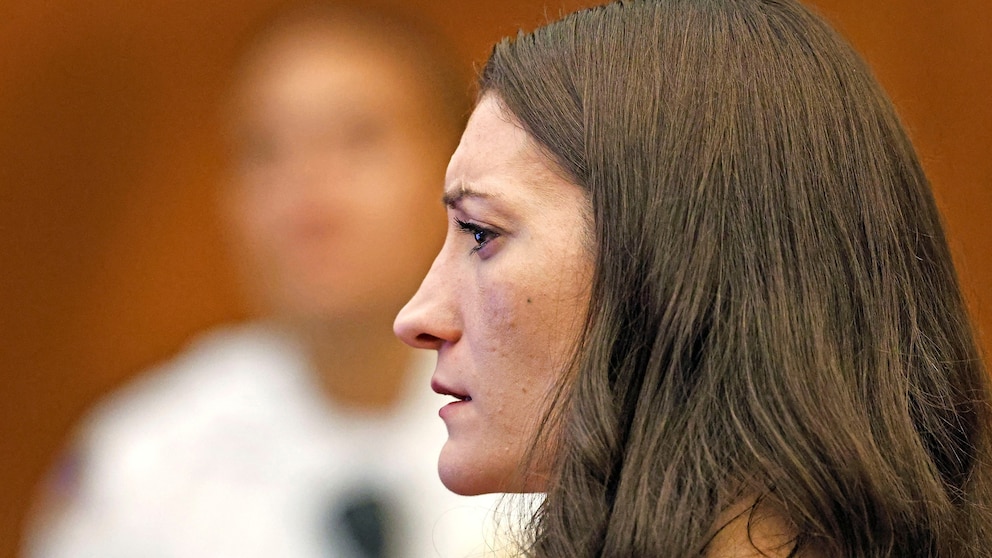
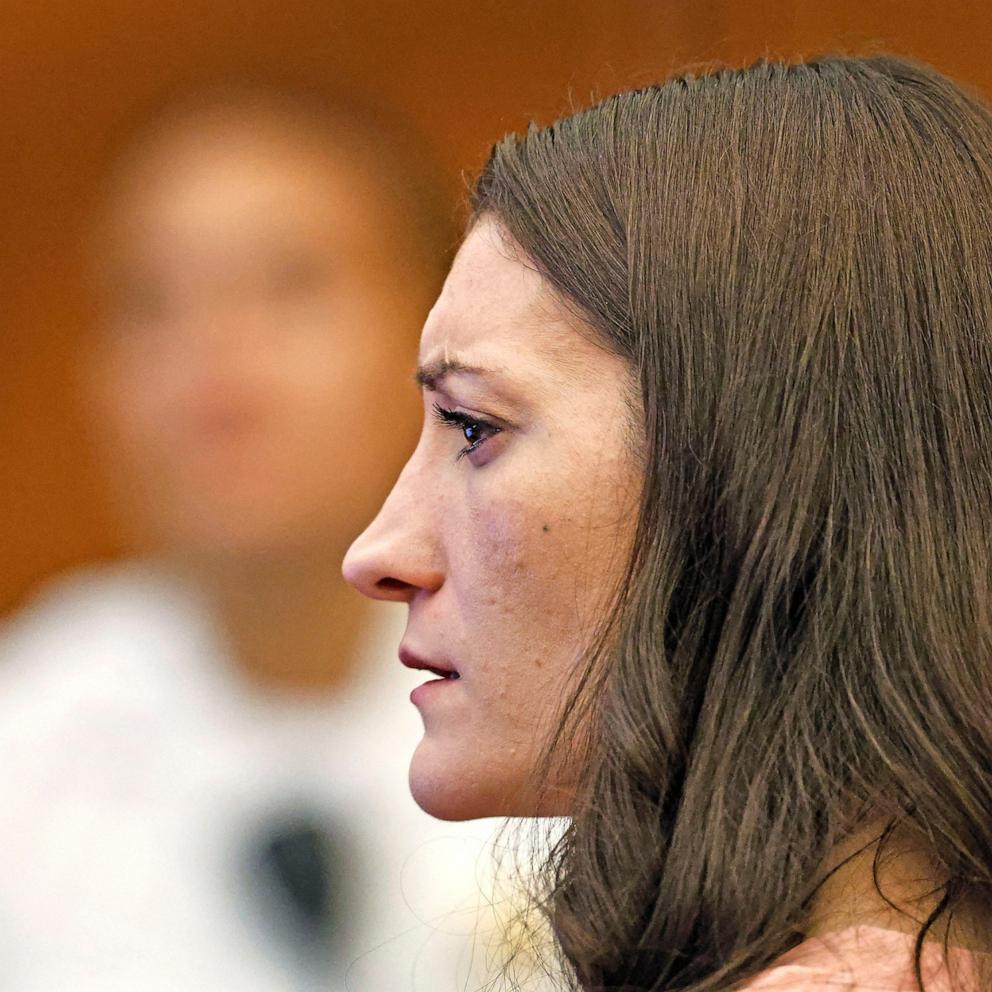
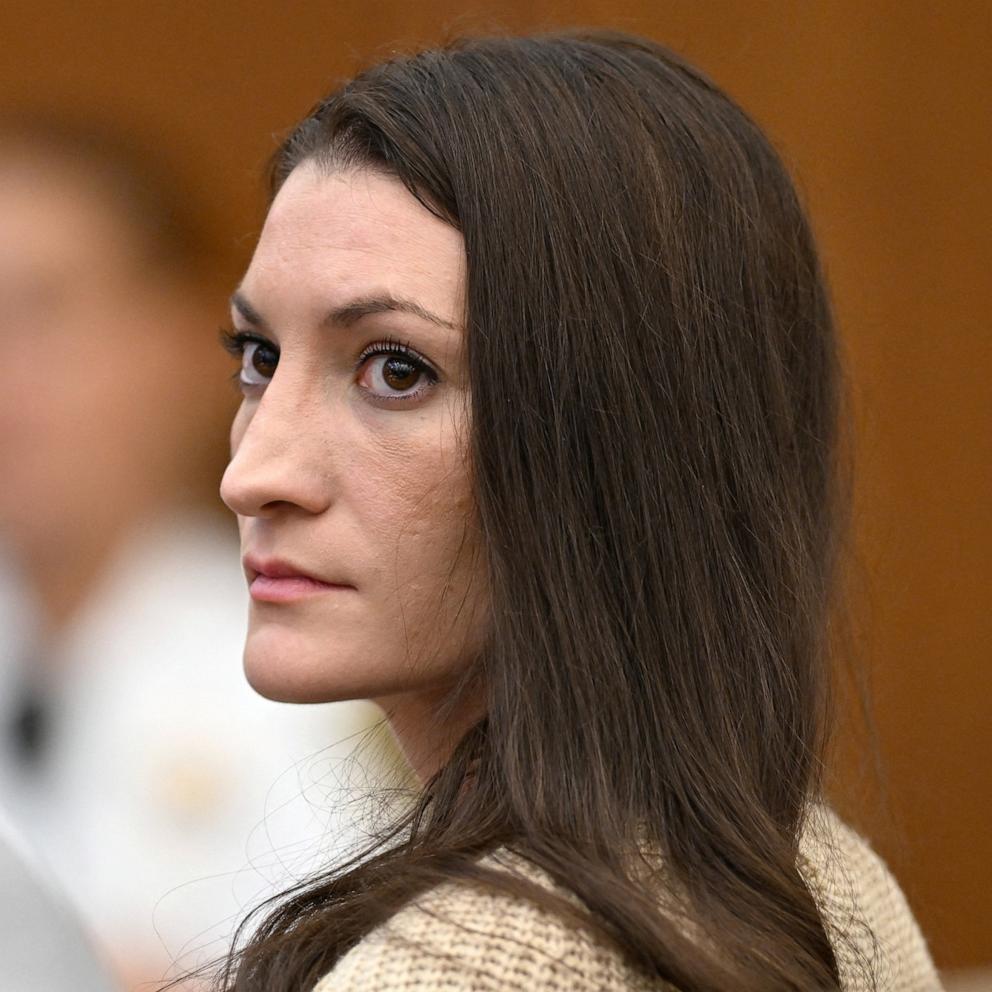
The trial of a Massachusetts woman accused of killing her three young children has captured the public's attention, raising questions around the prosecution of mothers with mental illness and putting a spotlight on a lesser known mental health condition known as postpartum psychosis.
Lindsay Clancy has pleaded not guilty to three murder charges in connection with the deaths of her 5-year-old daughter Cora, 3-year-old son Dawson and infant son Callan at the family's home in Duxbury, a Boston suburb, on Jan. 24, 2023.
The former nurse attempted suicide on the night of her children's deaths, leaving her paralyzed and in a wheelchair, according to state prosecutors. Clancy has been under state custody at a hospital since January 2023.
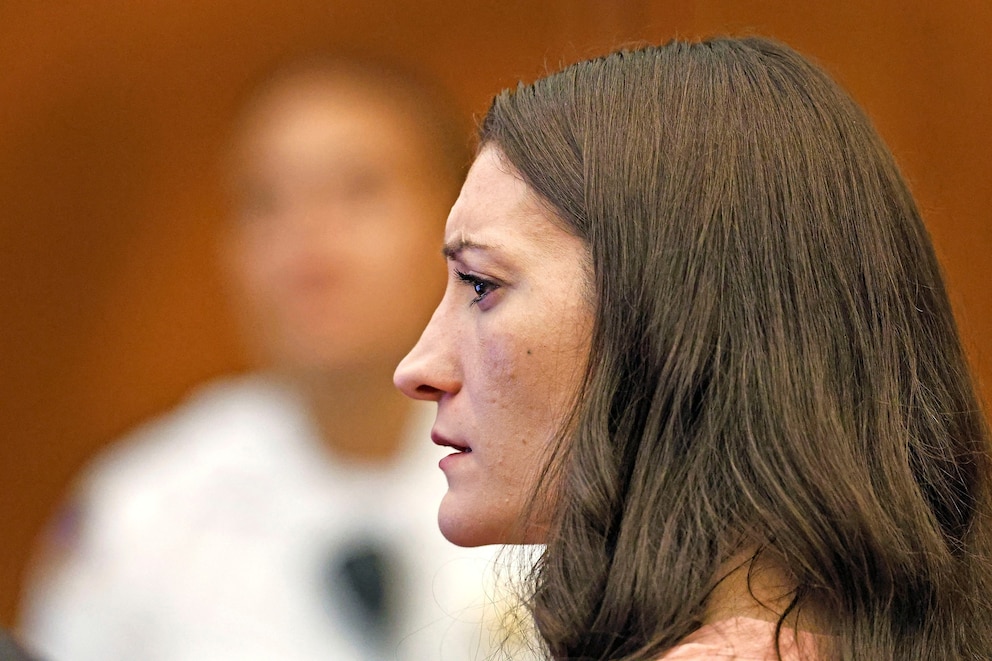
Clancy's fate now rests with a jury comprised of nine women and three men. The jury began deliberations on Thursday after a nearly five-week trial.
Here is a recap of the trial.
What did prosecutors say in closing arguments?
Prosecutor Jennifer Sprague told jurors in her closing argument that Lindsay Clancy misled and jumped between medical providers because "she wanted to get better on her own terms."
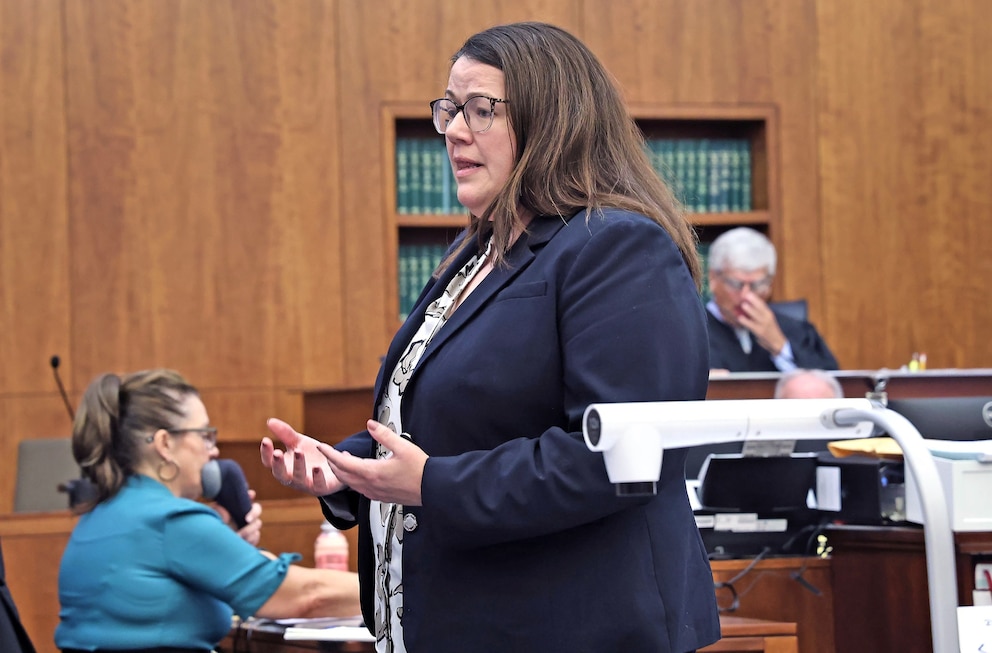
Sprague also highlighted Clancy’s work experience as a labor and delivery nurse to argue she should have known better in how to communicate with her postpartum symptoms with her medical providers.
Pushing back on the suggestion that the trial is a referendum on the healthcare system, Sprague argued that Clancy had better-than-average access to medical care but did not properly use it.
What did Clancy's attorney say in closing arguments?
Defense attorney Kevin Reddington began his closing argument by showing the jury two photos – a happy image of the entire Clancy family next to a photo of severely-injured Lindsay Clancy on a hospital bed following her suicide attempt.
“How does this - turn into this?” Reddington asked. “Because of the damn medicine and the lousy medical care that she got.”

He argued that Clancy repeatedly sought help from the medical system, but that she was overmedicated and misdiagnosed.
Reddington also highlighted the evidence and testimony they presented to show that Clancy was a caring mother, suggesting she had no motive to kill her children.
How many witnesses testified?
More than 80 people testified over the course of 21 days of testimony, including 74 prosecution witnesses and 10 defense witnesses.
In addition to mental health experts, including both those who treated Lindsay Clancy and those who didn't, friends and relatives of Lindsay Clancy testified, including her mother and sister, her former mother and father-in-law, ex-husband and some of her former coworkers and friends.
Lindsay Clancy did not take the stand during the trial.
Did her ex-husband testify?

Patrick Clancy, Lindsay Clancy's former husband and the father of their three children, was the trial's first witness, taking the stand on July 27.
Patrick Clancy, who has since remarried, testified about returning home from picking up takeout dinner on the night of Jan. 24, 2023, and finding his then-wife on the ground outside a window of their two-story home, and later finding his three children in the basement.
Patrick Clancy also testified about Lindsay Clancy's mental health, saying she experienced mental health issues after the births of their children, including indicating that at one point she was suicidal and had thoughts about harming their kids. He said his then-wife struggled with anxiety, medication changes and sleep deprivation, according to ABC Boston affiliate WCVB-TV.
Patrick Clancy said though that on the day of the murders, Lindsay Clancy was "having one of her best days." He testified that they exchanged photos of their children making snowmen, doing crafts, and attending a doctor's appointment.
Shortly after his children's deaths in 2023, Patrick Clancy said that he forgave Lindsay Clancy, writing in a statement, "My family was the best thing that ever happened to me. I took so much pride in being Lindsay's husband and a dad to Cora, Dawson and Callan."
"Our marriage was wonderful and diametrically grew stronger as her condition rapidly worsened," he wrote, without sharing further details on Lindsay Clancy's "condition." "I took as much pride in being her husband as I did in being a father and felt persistently lucky to have her in my life."
What are the potential outcomes for Clancy?
If Clancy is convicted of murdering her children, she faces a mandatory life sentence.
Jurors also have the option to find Clancy guilty of the lesser offenses of second-degree murder — punishable by a life sentence with the possibility of parole — or manslaughter, which carries a 20-year maximum sentence.
If she is found not guilty by reason of insanity, the court would begin the process of committing Clancy to a state psychiatric facility. Her commitment order would be subject to regular review by the court, though she could be committed to the facility indefinitely. If she is deemed no longer mentally ill and not a danger to the community, she could be released following a hearing.
What is postpartum psychosis?
The trial has drawn attention to the distinction between postpartum psychosis and the more common postpartum depression.
What is the difference between postpartum depression and postpartum psychosis?
Postpartum depression -- a depression that occurs after having a baby -- affects as many as 1 in 8 women who give birth, according to the U.S. Centers for Disease Control and Prevention.
Postpartum psychosis is far less common than postpartum depression. It affects roughly 1 to 2 mothers per 1,000 childbirths, according to estimates from a 2017 systematic review in the journal BMC Psychiatry.
What are the symptoms of postpartum depression and postpartum psychosis?
Symptoms of postpartum depression include withdrawing from loved ones, crying more than usual, feeling worried or overly anxious, feeling anger, doubting your ability to take care of your baby and thinking about harming yourself or your baby, according to the CDC. The symptoms may last for weeks or months after giving birth, and are more intense and longer lasting than the "baby blues" that women may experience after giving birth.
Symptoms of postpartum psychosis can include delusions or hallucinations that can prompt suicidal or homicidal action, according to the American College of Obstetricians and Gynecologists.
How long after birth can postpartum depression and postpartum psychosis be diagnosed?
Symptoms of both postpartum depression and postpartum psychosis typically begin days to weeks after giving birth, but can last months to a year, according to MedlinePlus, an online health resource run by the National Library of Medicine, and and StatPearls, an online library available through the National Library of Medicine.
How are postpartum depression and postpartum psychosis treated?
Postpartum psychosis is considered a psychiatric emergency, according to ACOG. It is a major safety risk for both mother and child, and it requires hospitalization to ensure safety. Treatment includes medications such as mood stabilizers and antipsychotics.
Treatment options for postpartum depression and psychosis will differ based on severity and type of symptoms and may include medication options, psychotherapy and/or support groups.
In 2019, a drug called Zulresso was approved by the U.S. Food and Drug Administration as the first-ever medication made specifically for women suffering from postpartum depression.
If you or someone you know is struggling with thoughts of suicide, call or text 988 or chat 988lifeline.org. Free, confidential help is available 24 hours a day, 7 days a week. You are not on your own.