Jury decides YouTube, Meta should pay $6 million in damages after finding them negligent in landmark trial
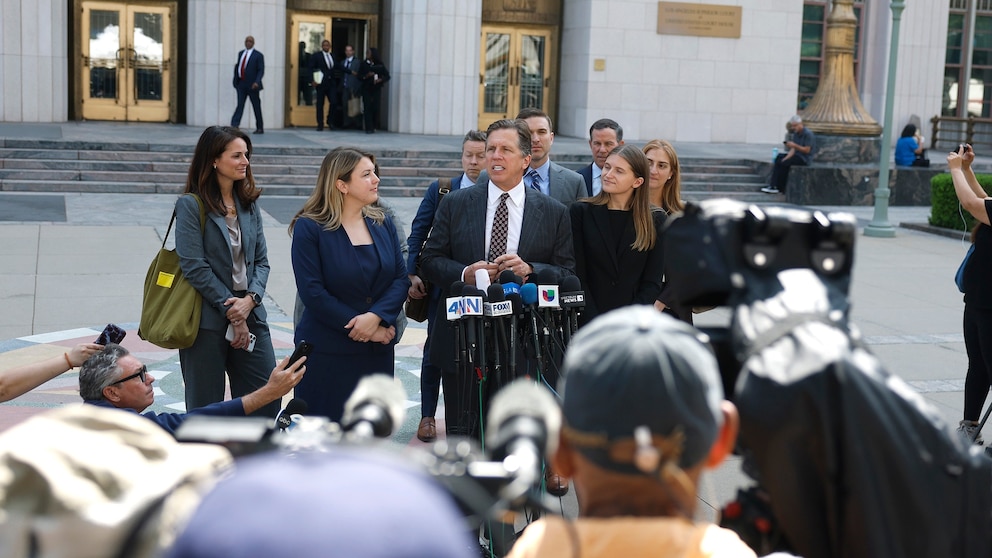
In a landmark decision, a jury found Meta and YouTube negligent for designing apps that harmed kids and teens and failed to warn them about the dangers.
The jury awarded compensatory damages in the amount of $3 million. The jury also found punitive damages are warranted, and later decided on an additional $3 million in punitive damages, bringing the total damages owed to the plaintiff Kaley to $6 million.
Meta would pay $4.2 million and YouTube $1.8 million.
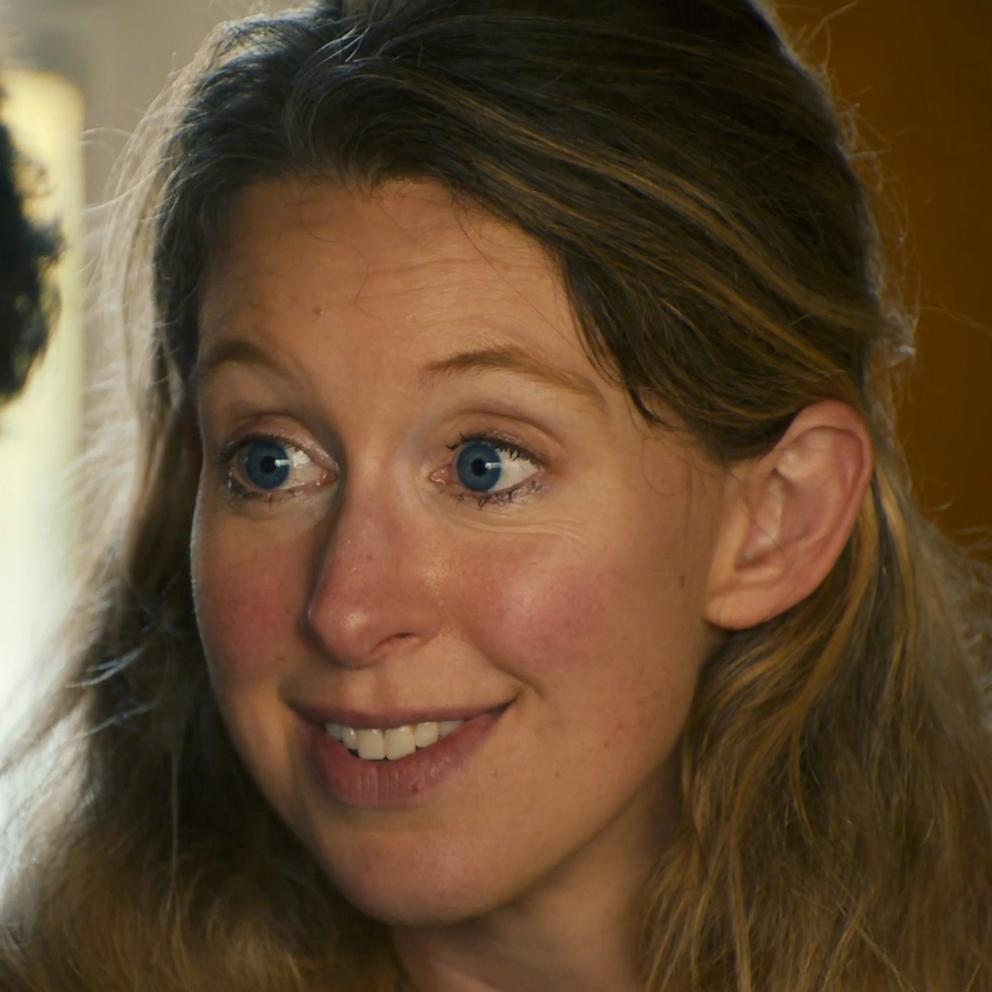
The lawsuit, brought by a 20-year-old woman identified as "Kaley," alleges major social media companies intentionally designed their platforms to be addictive. The suit claims features like auto-scrolling got the plaintiff addicted to the platforms, ultimately leading to anxiety, depression and body image issues.
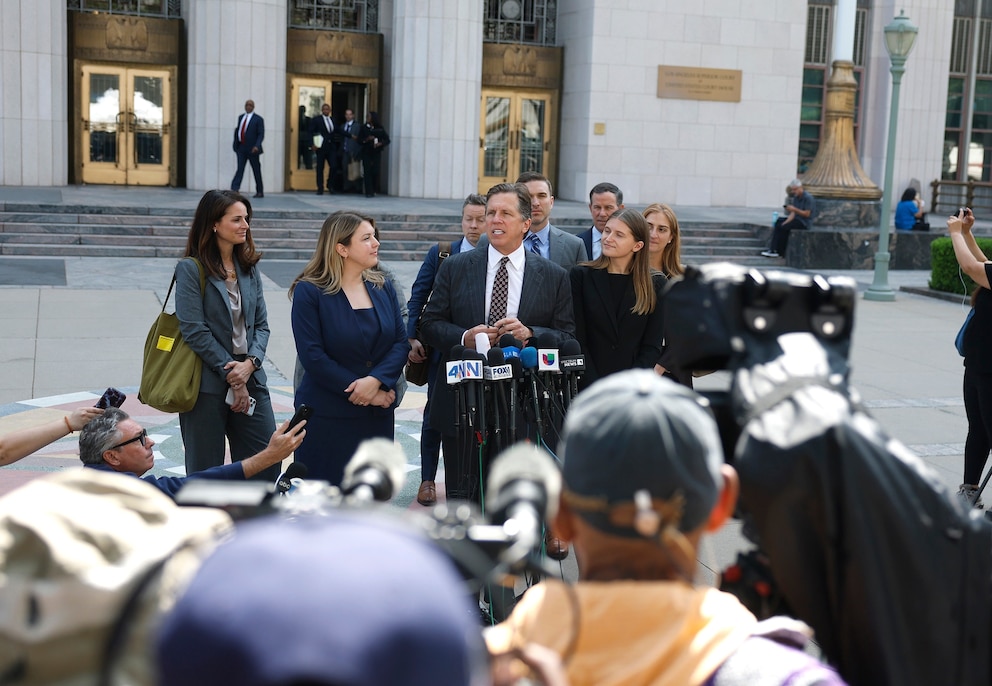
In a statement to ABC News, a Meta spokesperson said, "We respectfully disagree with the verdict and are evaluating our legal options."
Meta later shared an updated statement with ABC News saying they would appeal.
"We respectfully disagree with the verdict and will appeal," read the statement. "Teen mental health is profoundly complex and cannot be linked to a single app. We will continue to defend ourselves vigorously as every case is different, and we remain confident in our record of protecting teens online."
The plaintiff's attorney called the verdict "bigger than one case," in a statement to ABC News.
YouTube told ABC News it will appeal the verdict.
"We disagree with the verdict and plan to appeal. This case misunderstands YouTube, which is a responsibly built streaming platform, not a social media site," said Google spokesperson José Castañeda.
"For years, social media companies have profited from targeting children while concealing their addictive and dangerous design features," the plaintiff's attorney continued. "Today’s verdict is a referendum — from a jury, to an entire industry — that accountability has arrived. We now move forward to the next phase of this trial focused on punitive damages."
The damages were found to be 70 percent the responsibility of Meta and 30 percent the responsibility of YouTube, according to the verdict.
The jury returned an answer of "Yes" to every question posed relating to negligence and failure to warn of dangers. Ten jurors were in favor of the plaintiff for every question, with two in favor of the defense in every question.
The verdict is the second loss in as many days for Meta, who saw a $375 million penalty levied against them by a New Mexico jury in a trial alleging Meta, violated state protection laws, knowingly harmed children's mental health and concealed information about child sexual exploitation on its social media platforms.
The Los Angeles verdict marks the end of a trial that saw testimony from social media leaders as well as the 20-year-old plaintiff at the heart of the case.
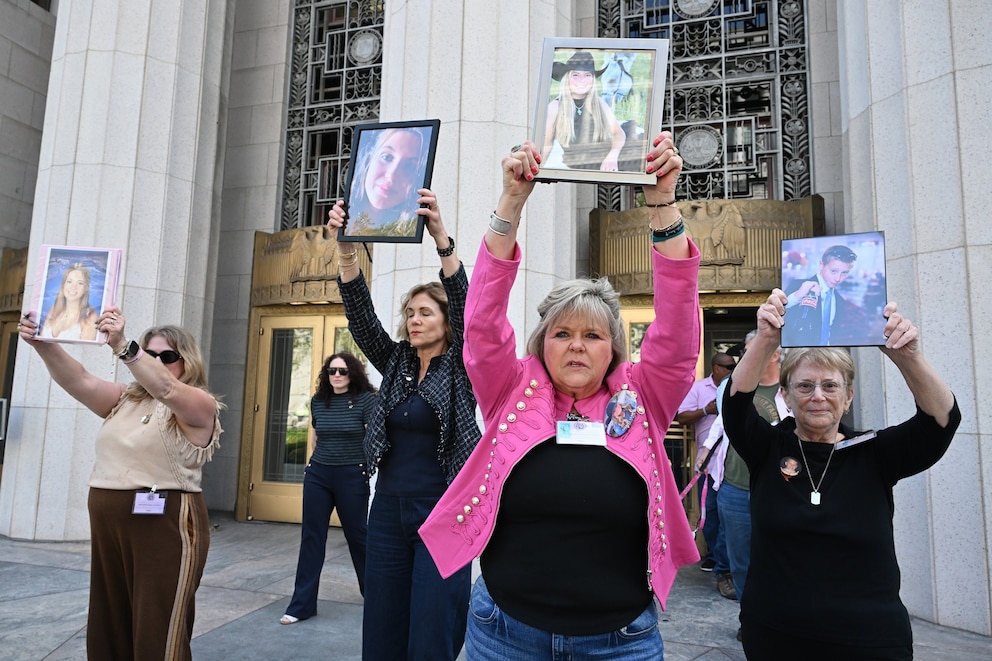
During her testimony in February, Kaley answered questions about her early life and social media use, saying she began using the video sharing platform YouTube -- which is owned by Google -- when she was 6 years old. The plaintiff testified during trial that she still uses social media to this day.
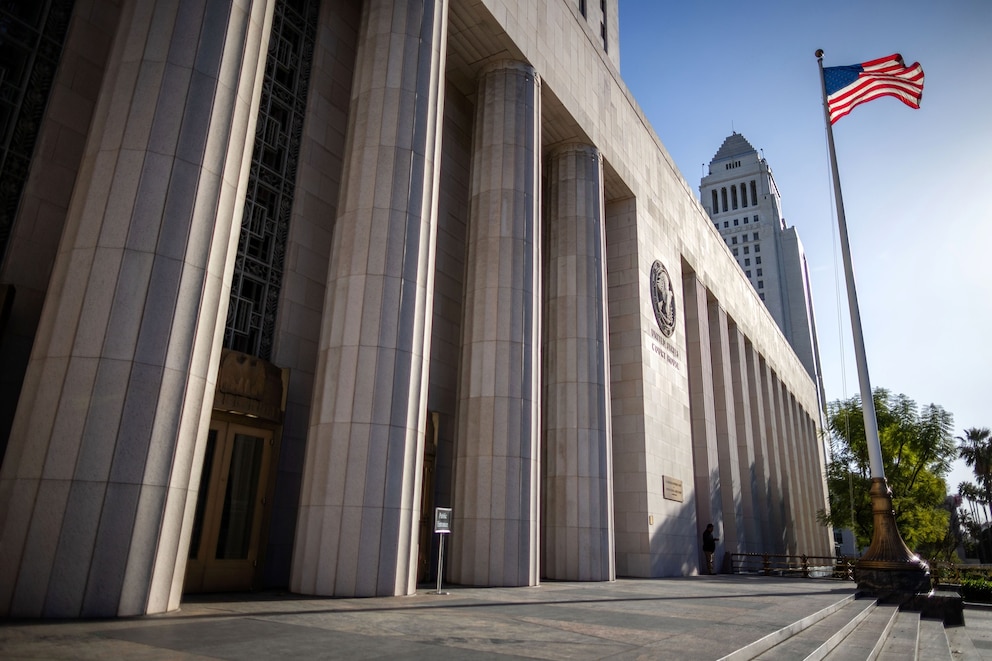
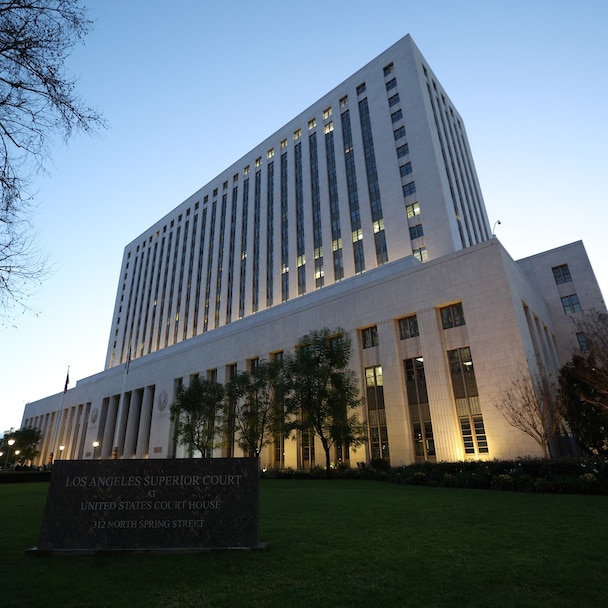
The landmark case was heard in the California Superior Court of Los Angeles County, with Meta -- Facebook and Instagram's parent company -- and YouTube, which is owned by Google, moving forward as defendants.
Social platforms Snapchat and TikTok were previously named in the lawsuit but reached settlements with the plaintiffs last month without admitting wrongdoing.
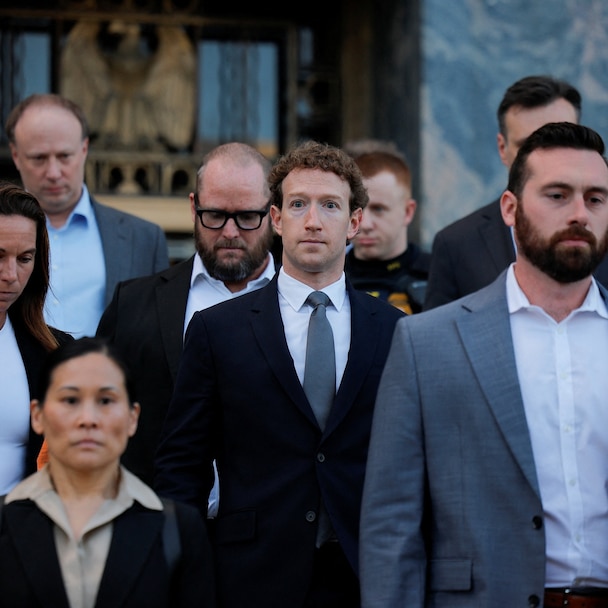
Facebook founder and Meta CEO Mark Zuckerberg testified in the trial previously, answering questions related to age restrictions, app engagement and filters.
In his opening questions to Zuckerberg, Kaley’s attorney Mark Lanier asked if a company should "take advantage" of vulnerable people. "I think a reasonable company should try and help the people who try and use its services," Zuckerberg said.
In tense exchanges in court, Zuckerberg admitted it is difficult for Meta to enforce age restrictions on Instagram. Instagram's policy states that children under age 13 are unable to create accounts. The plaintiff’s lawyer says "Kaley" started using the app at age 10, before those new restrictions were put in place.
"I always wish we would have gotten there sooner, but I think we're in a better place," Zuckerberg said.
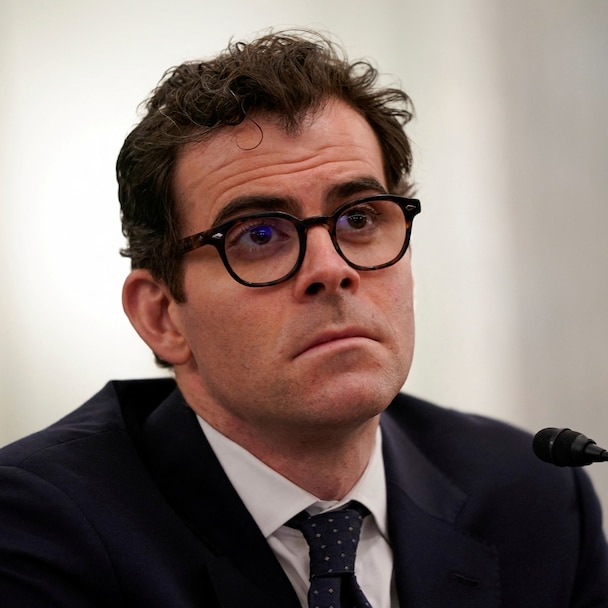
Instagram head Adam Mosseri gave testimony earlier in the trial and said he disagreed with the term "addiction" as used in the lawsuit. He said "clinical addiction" is different from "problematic use" of Instagram, which he said was "real" and described the latter as users spending "too much time" on the platform.
Mosseri said there is always a tradeoff between "safety and speech," saying users don't like it when they remove options from Instagram.