Environmentalists decry Trump admin's changing of 'harm' in Endangered Species Act
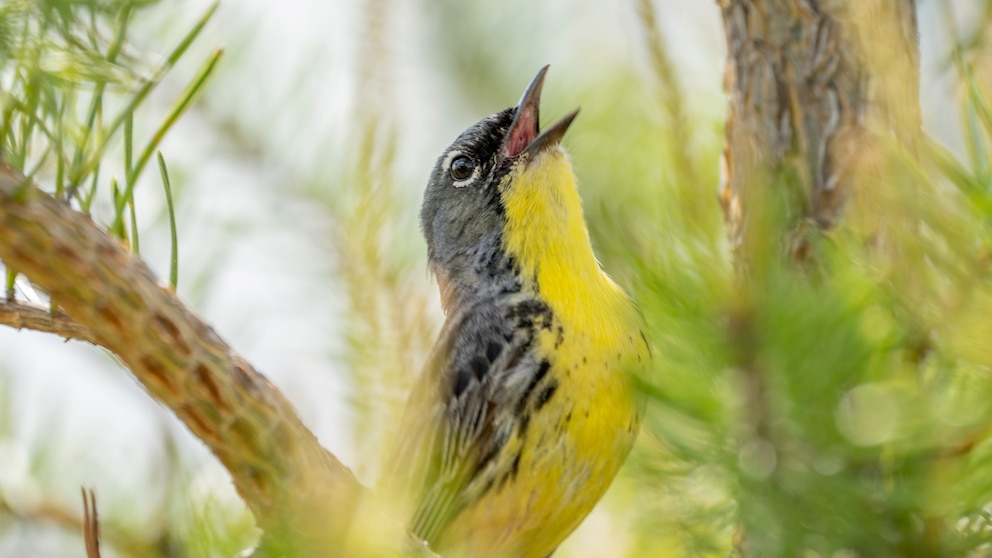
The Trump administration made a change to the language of the Endangered Species Act that environmental groups are concerned will open protected habitats to development.
On Friday, the U.S. Department of the Interior and the U.S. Department of Commerce announced that the definition of the word "harm" would be rescinded from the 1973 Endangered Species Act.
The definition, first outlined in 1975 and revised in 1981, defined “harm” as “an act which actually kills or injures wildlife. Such an act may include significant habitat modification or degradation where it actually kills or injures wildlife by significantly impairing essential behavioral patterns, including breeding, feeding or sheltering.” A 1995 ruling by the Supreme Court upheld that the definition would prohibit "habitat modification or degradation" due to the potential threats posed to endangered animals.
In the wake of the change, environmental nonprofits, such as the Center for Biological Diversity, the Sierra Club and Conservation Law Foundation, have filed suit against the Trump administration.
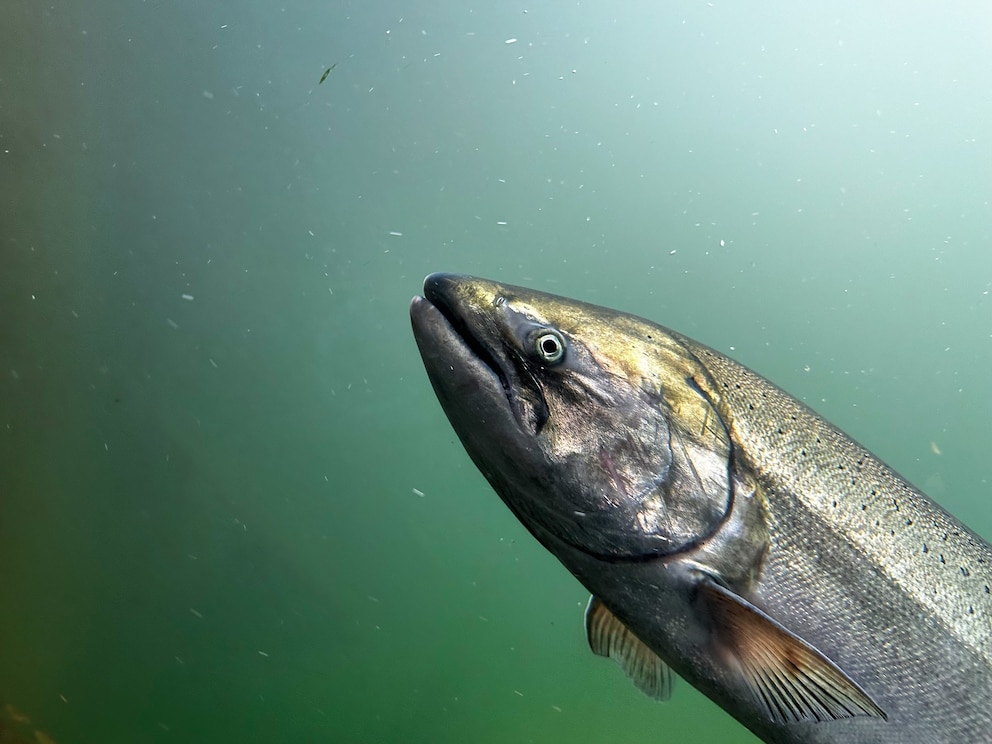
"The Trump Administration repeal violates the core purpose of the statute and decades of legal precedent, including from the U.S. Supreme Court. Now more than ever, imperiled species from salmon to marbled murrelets to grizzly bears need habitat protection to survive and recover," Earthjustice attorney Kristen Boyles said in a statement.

The U.S. Department of the Interior and the U.S. Department of Commerce did not immediately return ABC News' request for comment.
For decades, the U.S. Fish and Wildlife Service and National Marine Fisheries Service would interpret the definition of "harm" to include significant habitat modification, such as removing necessities such as food and shelter, that could kill or injure species that are listed under the ESA, according to the Sierra Club, the largest grassroots environmental organization in the U.S.
The final rule will reduce unnecessary permitting, cut compliance costs and eliminate confusion, according to the Interior Department.
The Trump administration justified rescinding the definition by stating it "returns the interpretation of the ESA back to its actual text and original intent, which will end years of federal overreach."
The ESA's core protections will remain "firmly" in place, the agency said. The administration also cited a recent Supreme Court decision ending what’s known as the “Chevron deference,” finding the regulations "do not match the single, best meaning of the statute."
"For years, federal agencies abused the ESA to obstruct lawful land use and burden American families and businesses," Secretary of the Interior Doug Burgum said in a statement. "That approach turned routine activity into a regulatory trap, drove up costs that impacted people’s lives, and expanded federal authority beyond what Congress intended. This action restores common sense, respects private property, provides much-needed certainty for landowners and follows the statute Congress actually passed."
Department of Commerce Secretary Howard Lutnick said, "President Trump is rescinding overly broad and burdensome regulations that have restrained our fishermen for too long. "We’re returning the ESA to its foundational purpose to ensure legitimate conservation goals are met without sacrificing economic growth and American prosperity."
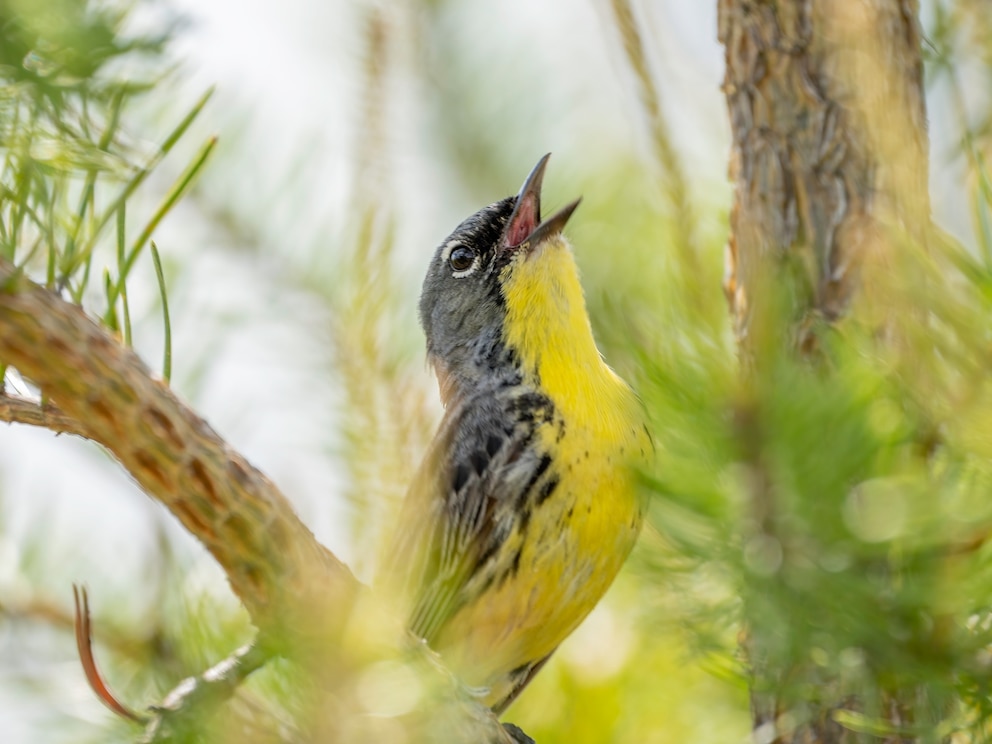
The Sierra Club says the Endangered Species Act has been an integral tool in preventing the extinction of 99% of species listed under the ESA.
The final rule ignores both science and reality and will make it easier to destroy habitats that have long been protected under the ESA, Jennifer Jones, director of the Center for Science and Democracy at the Union of Concerned Scientists, told ABC News.
"Removing habitat destruction from the definition of 'harm' disregards decades of scientific evidence and expert analysis and puts species that the Endangered Species Act helped save, such as the bald eagle and humpback whale, at risk," Jones said.
The administration is "intentionally sowing confusion and distracting the American public from their real agenda," David Feinman, vice president of government affairs for the Conservation Lands Foundation, told ABC News.
"They’re weakening habitat protections for endangered species at the same time they’re eliminating national monuments under the guise that these places are protected under the Endangered Species Act and other laws," Feinman said. "This is one more move in their mean-spirited, coordinated attack to remove every tool that protects the country’s public lands."
The final rule was uploaded to the Federal Register on Tuesday and will go into effect on Sept. 14.
The Defenders of Wildlife has sent notice to the Trump administration signaling its intent to sue over the change in definition of "harm," the environmental nonprofit said in a statement.
"The law has been clear for decades: destroying the habitat -- the home -- of endangered wildlife harms that species that must be appropriately authorized and minimized," Jane Davenport, senior attorney at Defenders of Wildlife, said in a statement. "We will use the full force of the law to fight back and prevent industry from unfettered destruction of critical forests, streams, deserts, oceans and coastlines."
ABC News' Matthew Glasser contributed to this report.